 Whatsapp
 Contact Us







GET CONNECTED
MAIN BUSINESSES
SERVICES
© 2021 HENAN GBCRANES INTELLIGENT MATERIAL HANDLING MACHINERY CO.,LTD.

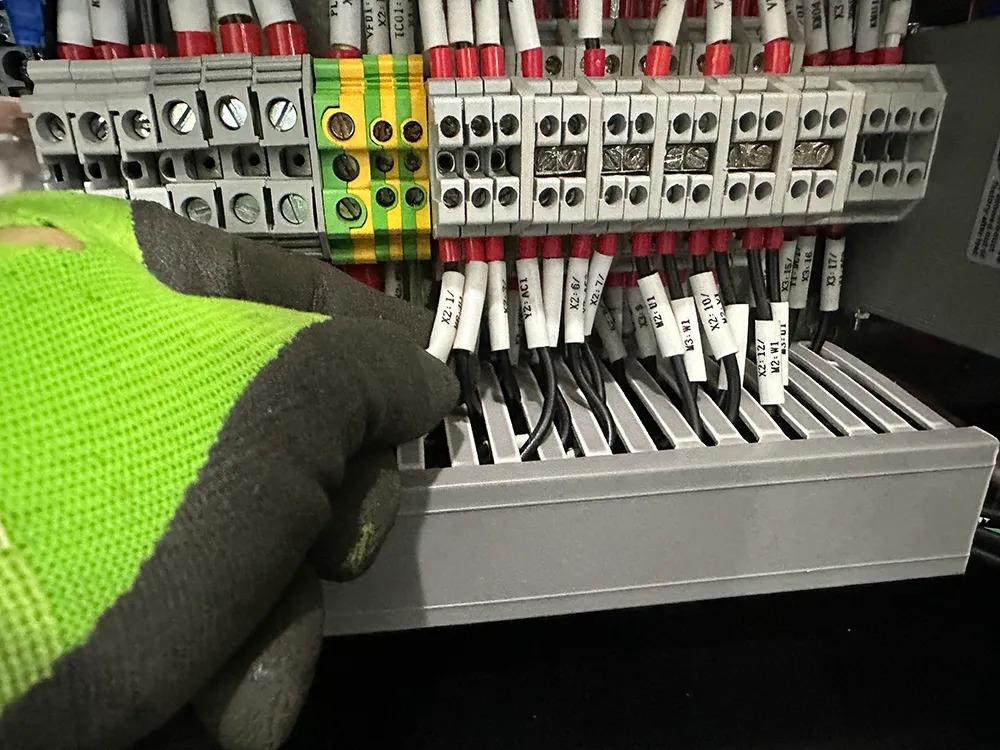
Daily operation advised by Clescrane professional engineer wears on critical crane components. Over time, this may lead to breakdown and even catastrophic failure—particularly without regular inspections. Through regular inspections, crane users can spot potential problems so they can perform maintenance and repairs that may preclude employee injury and costly interruptions in service.
Inspection classification
1. Initial inspection. Prior to initial use all new and altered cranes shall be inspected to insure compliance with the provisions of this section.
2. Inspection procedure for cranes in regular service is divided into two general classifications based upon the intervals at which inspection should be performed. The intervals in turn are dependent upon the nature of the critical components of the crane and the degree of their exposure to wear, deterioration, or malfunction. The two general classifications are herein designated as "frequent" and "periodic" with respective intervals between inspections as defined below:
• Frequent inspection - Daily to monthly intervals.
• Periodic inspection - 1 to 12-month intervals
Frequent inspection
The following items shall be inspected for defects at intervals as defined by Clescrane or as specifically indicated, including observation during operation for any defects which might appear between regular inspections. All deficiencies such as listed shall be carefully examined and determination made as to whether they constitute a safety hazard:
1. All functional operating mechanisms for maladjustment interfering with proper operation. Daily.
2. Deterioration or leakage in lines, tanks, valves, drain pumps, and other parts of air or hydraulic systems. Daily.
3. Hooks with deformation or cracks. Visual inspection daily; monthly inspection with a certification record which includes the date of inspection, the signature of the person who performed the inspection and the serial number, or other identifier, of the hook inspected. For hooks with cracks or having more than 15 percent in excess of normal throat opening or more than 10 twist from the plane of the unbent hook.
4. Hoist chains, including end connections, for excessive wear, twist, distorted links interfering with proper function, or stretch beyond manufacturer's recommendations. Visual inspection daily; monthly inspection with a certification record which includes the date of inspection, the signature of the person who performed the inspection and an identifier of the chain which was inspected.
5. All functional operating mechanisms for excessive wear of components.
6. Rope reeving for noncompliance with manufacturer's recommendations.


