 Whatsapp
 Contact Us








GET CONNECTED
MAIN BUSINESSES
SERVICES
© 2021 HENAN GBCRANES INTELLIGENT MATERIAL HANDLING MACHINERY CO.,LTD.

Outdoor industrial operations often require reliable lifting equipment that can handle heavy loads, large working areas, and challenging environmental conditions. In ports, steel yards, shipyards, precast concrete plants, and construction sites, an outdoor gantry crane provides an efficient solution for lifting and transporting materials without relying on an indoor building structure.
However, operating a crane outdoors involves more than simply installing a lifting system in an open space. Wind loads, rain, humidity, temperature changes, dust, and corrosion can all affect crane performance, structural stability, and service life.
Choosing the right outdoor gantry crane requires careful consideration of structural design, environmental protection, safety systems, and maintenance requirements. This guide explains the key factors industrial buyers should evaluate when selecting an outdoor gantry crane for their facilities.
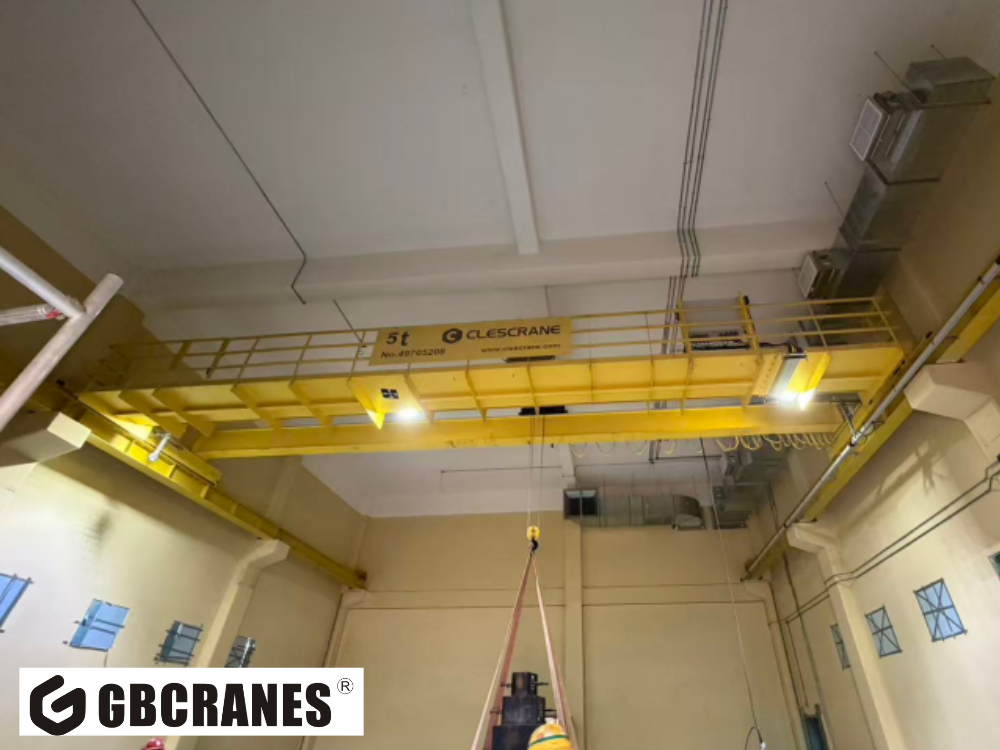
An outdoor gantry crane is a type of bridge crane supported by two or more legs. The legs travel on rails installed at ground level, allowing the crane to move along the length of an outdoor work area. A hoisting mechanism runs along the main girder to lift and position materials.
A typical system includes the main girder, supporting legs, end carriages, wheels, hoist or trolley, electrical control system and safety devices. The exact configuration depends on the lifting task and site conditions.
Outdoor gantry cranes are available in different structural arrangements. A single-girder design may be suitable for applications with relatively straightforward lifting requirements, while a double-girder arrangement may be considered for heavier loads, larger spans or more demanding operating conditions. The final selection should be based on engineering calculations rather than capacity alone.
Gantry cranes are often compared with indoor overhead cranes. An overhead crane usually runs on elevated runway beams supported by the building structure. A gantry crane is supported by its own legs and runs on ground rails. This makes it useful for outdoor yards, open storage areas and sites where constructing an elevated runway is impractical.
The design of an outdoor gantry crane should begin with the actual lifting process. Selecting equipment based only on the maximum load can lead to an unsuitable configuration or unnecessary investment.
Confirm the maximum weight to be lifted, including lifting attachments and any spreader or special tooling. The shape, dimensions and centre of gravity of the load also matter. Long steel sections, concrete components, containers and irregular equipment may require different lifting arrangements.
The crane should be designed for the expected load spectrum and frequency of operation. A crane used occasionally for maintenance has different demands from one handling materials throughout multiple shifts.
The span is the distance between the crane's supporting rails. It should match the working area while allowing suitable clearance from buildings, stored materials and other equipment. Lifting height must account for the height of the load, lifting attachment and required clearance above the working area.
The crane's longitudinal travel distance should cover the required loading, unloading and storage positions. Rail alignment, foundation conditions and drainage should be considered during site planning because they influence smooth travel and long-term operation.
The main girder, legs and connections must be designed to withstand the loads and forces expected during operation. These include the lifted load, crane movement, acceleration and braking, and environmental forces such as wind.
The supporting rails and foundations are equally important. Uneven settlement, poor alignment or inadequate drainage can affect wheel loading and crane movement. Buyers should coordinate crane design with the civil or structural engineering team responsible for the site foundations.
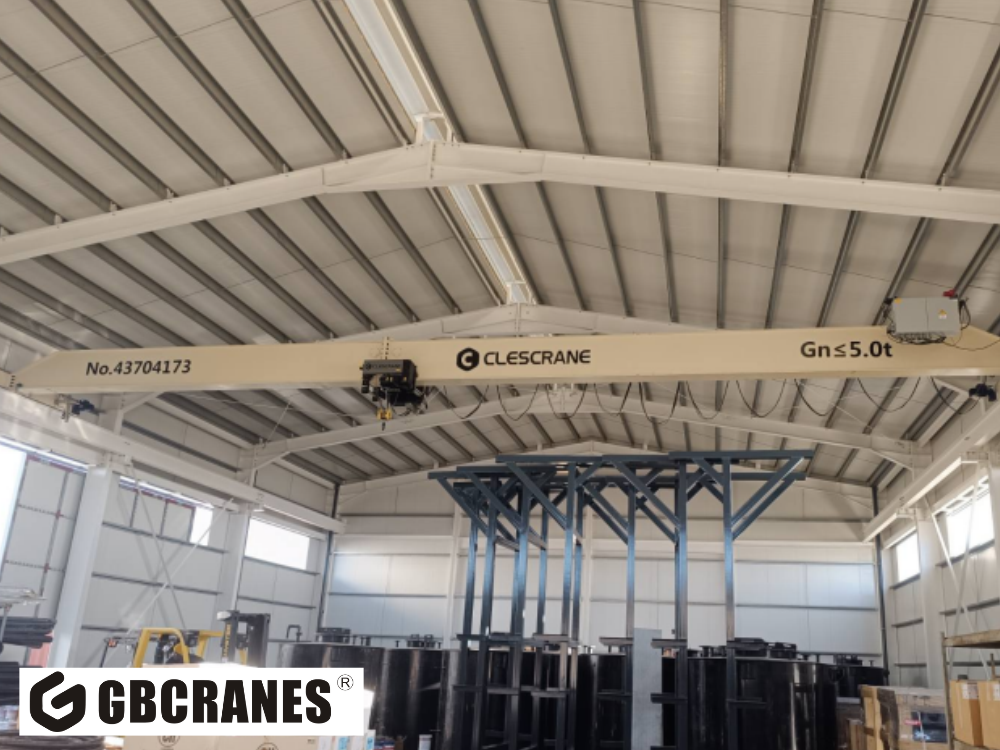
Wind is one of the most important factors in outdoor gantry crane design. It can create significant horizontal forces on the crane structure and the suspended load. The risk is especially important for cranes with large exposed surfaces, tall structures or operations in coastal and open areas.
Wind loads depend on local design wind speed, crane height and dimensions, exposed surface area, site location and the crane's operating condition. The wind conditions permitted during operation may differ from the conditions the crane must withstand when parked and out of service. These conditions should be clearly defined in the project specification.
Depending on the crane design and site requirements, wind protection may include rail clamps, anchoring devices, storm locks and wind speed alarms. These devices have different purposes:
Rail clamps help secure the crane to the rails and reduce the risk of unintended movement.
Anchoring devices or storm locks help hold the crane in a designated parked position during severe weather.
Wind speed alarms warn operators when wind conditions approach specified operating limits.
The appropriate combination should be determined through engineering assessment. A wind alarm does not physically secure a crane, and a rail clamp should not be treated as a substitute for every required storm restraint.
Operators should follow the wind-speed limits and shutdown procedures established for the specific crane. When wind reaches the defined limit, lifting operations should stop and the crane should be moved to its designated safe position if conditions allow. Loads should not be left suspended when the crane is unattended.
The site should also have a clear procedure for securing the crane after a shift and before forecast severe weather. Operators and maintenance personnel need to know where the anchoring points are and how the restraints are engaged. These procedures are part of the lifting system's safety plan, not optional additions.
Outdoor cranes are exposed to changing weather throughout their service life. Rain and humidity can cause corrosion, while salt spray can accelerate deterioration in coastal environments. Dust and airborne particles may affect moving components, electrical enclosures and cooling systems. Very high or low temperatures can also influence lubricants, seals, cables and electrical equipment.
A suitable coating system helps protect steel structures from corrosion. The specification should consider the site's environment, expected service life and maintenance plan. Surface preparation, primer selection, coating thickness and application quality all contribute to the performance of the protective system.
No coating eliminates the need for inspection. Scratches, impact damage and areas around joints or drainage points should be checked periodically. Damaged coating should be repaired before corrosion spreads beneath the surrounding paint.
For coastal or chemically aggressive environments, buyers should discuss the corrosion category and protection requirements with the crane manufacturer at the design stage. The coating system should be selected for the actual exposure conditions rather than chosen by appearance alone.
Electrical cabinets, motors, sensors and cable systems need protection appropriate to their installation locations. Enclosure protection ratings should be specified according to exposure to rain, dust and water, and should be confirmed for the individual components. Cable routing and connectors should also be arranged to reduce water ingress and mechanical damage.
Mechanical components require suitable lubrication and inspection. In dusty areas, protective covers and an appropriate maintenance interval can help reduce contamination. In cold environments, lubricants and electrical components should be suitable for the expected temperature range. These details should be included in the technical specification.
Safety should be considered throughout crane design, installation, commissioning, and daily operation. The required devices depend on the crane configuration, applicable regulations, and the risks identified for the worksite.
Common safety features include:
Overload protection: helps prevent lifting beyond the crane's rated capacity.
Hoisting limit switches: help prevent the hook or lifting device from travelling beyond its permitted upper or lower position.
Travel limit switches: help control the crane or trolley at defined travel boundaries.
Emergency stop: provides a means to stop crane movement in an emergency.
Audible and visual alarms: warn nearby personnel when the crane is moving or when a specified condition occurs.
Collision protection: may be used where cranes or trolleys operate on shared or adjacent travel paths.
These devices support safe operation, but they cannot replace trained operators, clear communication and suitable work procedures. The lifting area should be managed to keep people away from suspended loads and moving equipment. Loads must be attached using suitable lifting accessories and handled in accordance with the approved lifting plan.
Before commissioning, the crane should undergo the inspections and functional tests required by the project and applicable standards. Operators should receive training on controls, warning signals, emergency procedures, wind restrictions and the correct use of parking restraints.
Outdoor gantry cranes are used in many industries because they can serve large open areas without relying on a building's overhead structure.
At ports and logistics yards, they can support the handling and storage of heavy materials. Steel plants use gantry cranes to move steel products and equipment between production and storage areas. Precast concrete facilities may use them to handle moulds and large concrete components. Shipyards and construction sites use them for lifting heavy structures and materials where open access is important.
The working environment differs across these applications. A coastal yard may need stronger corrosion protection, while a steel plant may require attention to heat, dust and frequent lifting cycles. A precast concrete yard may place greater emphasis on load dimensions, lifting attachments and precise positioning. The crane specification should reflect the actual process.
Regular maintenance helps identify problems before they lead to downtime or unsafe operation. A practical inspection programme should cover:
Steel structures, weld areas, bolts and signs of deformation or corrosion.
Rails, wheels, end carriages and travel mechanisms.
Hoist, wire rope or chain, hook, brakes and lifting accessories.
Motors, electrical cabinets, cables, sensors and limit switches.
Wind alarms, rail clamps, anchors and storm restraints.
Lubrication points, abnormal noise, vibration and operating temperature.
Inspection frequency should be based on operating intensity, environmental exposure, manufacturer recommendations and applicable requirements. Records of inspections, repairs and component replacement help maintenance teams track the crane's condition over time.
A suitable manufacturer should be able to understand the lifting process and translate site requirements into a practical crane configuration. Buyers should look beyond the headline lifting capacity and assess the engineering approach, customization options, component selection, quality controls and technical support.
Before requesting a quotation, prepare the key project information: rated capacity, span, lifting height, rail length, load type, operating frequency, required travel speed and site environment. Photos, layout drawings and details about wind and corrosion exposure can also help the manufacturer evaluate the application.
Ask how the proposed design addresses structural stability, wind protection, weather exposure and maintenance access. Confirm which safety devices are included, what standards or project specifications will be followed, and what documentation will be supplied. Installation, commissioning, operator training, spare parts and after-sales support should also be discussed.
GBCRANES provides lifting equipment solutions including outdoor gantry cranes, overhead cranes, electric hoists, jib cranes and crane accessories. With project requirements at the centre of the selection process, GBCRANES can discuss crane configurations and customization options based on the customer's lifting capacity, site layout, working conditions and application.
To evaluate an outdoor gantry crane project, share your required capacity, span, lifting height, travel distance, load details, and local environmental conditions with the GBCRANES team. These details provide a practical starting point for selecting a safe and suitable lifting solution.
What Is an Outdoor Gantry Crane?
Key Design Considerations
Lifting Capacity and Load Characteristics
Span, Lifting Height and Travel Distance
Structural Stability and Foundations
Wind Resistance and Outdoor Protection
Wind Protection Devices
Safe Operating Procedures
Weather Protection and Corrosion Resistance
Protective Coating and Surface Care
Electrical and Mechanical Protection
Essential Safety Features
Applications and Maintenance
How to Choose the Right Outdoor Gantry Crane Manufacturer


