 Whatsapp
 Contact Us






GET CONNECTED
MAIN BUSINESSES
SERVICES
© 2021 HENAN GBCRANES INTELLIGENT MATERIAL HANDLING MACHINERY CO.,LTD.

Choosing the right overhead crane is an important investment for any manufacturing plant. The right lifting equipment can improve material handling efficiency, optimize workshop space, reduce manual labor, and support safer production operations. However, with different crane configurations and technical specifications available, how can you select the most suitable overhead crane for your facility?
Lifting capacity is one of the first factors to consider when selecting an overhead crane. You should identify the maximum weight of the materials, components, or equipment that need to be lifted.
For example, a manufacturing workshop handling small machinery components may only require a 5-ton overhead crane, while a heavy equipment factory or steel fabrication plant may need a 50-ton or even 100-ton crane.
When calculating the required overhead crane capacity, consider not only the weight of the load but also the weight of lifting accessories and attachments. It is equally important to consider potential changes in production requirements.
GBCRANES offers different overhead crane solutions to meet various lifting requirements, including CHS single girder overhead cranes with capacities up to 20 tons and CHD double girder overhead cranes with capacities up to 100 tons.
The crane structure directly affects lifting performance, available space, and project costs. Single girder and double girder overhead cranes are two common solutions for manufacturing facilities.
A single girder overhead crane is generally suitable for light to medium-duty material handling in manufacturing workshops, warehouses, and assembly areas.
The GBCRANES CHS series features an optimized structural design, low deadweight, and reduced wheel pressure. Its low-headroom configuration also helps maximize the available lifting height, making it a practical and cost-effective choice for facilities with limited overhead space.
For heavier loads, larger lifting heights, or more demanding industrial applications, a double girder overhead crane may be a better option.
The GBCRANES CHD series supports lifting capacities of up to 100 tons and spans from 7.5 to 40 meters. Its hoist is positioned between the two girders, allowing greater lifting height and making it suitable for general manufacturing, workshops, and assembly lines.
The best configuration depends on your actual load requirements, workshop dimensions, and operating conditions.
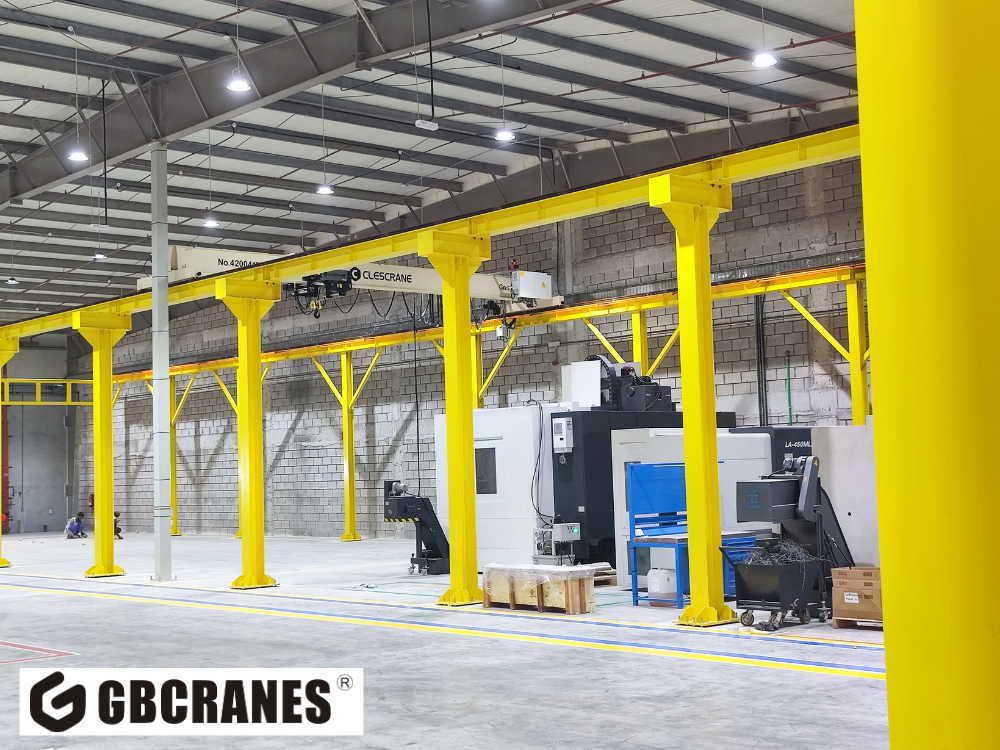
Before purchasing an overhead crane, carefully assess your manufacturing plant's structural layout.
Several dimensions should be confirmed, including:
- Crane span: The distance between the two runway rails.
- Lifting height: The vertical distance the hook needs to travel.
- Runway length: The total horizontal travel distance of the crane.
- Headroom: The available space between the crane and the roof structure.
Existing columns, roof beams, lighting systems, pipelines, and other obstacles should also be considered.
For factories with limited vertical clearance, a low-headroom overhead crane can help maximize usable lifting height without major modifications to the building.
A professional crane manufacturer should evaluate these conditions before finalizing the crane design.
Not all manufacturing plants operate at the same intensity. Some cranes are used occasionally for equipment maintenance, while others handle materials continuously throughout multiple production shifts.
Therefore, selecting the appropriate crane duty class is essential.
GBCRANES CHS and CHD overhead crane series are available in Class C and Class D configurations. The actual selection should be based on lifting frequency, load spectrum, daily operating hours, and working conditions.
Choosing a crane with an unsuitable duty classification may increase maintenance requirements and affect its service life.
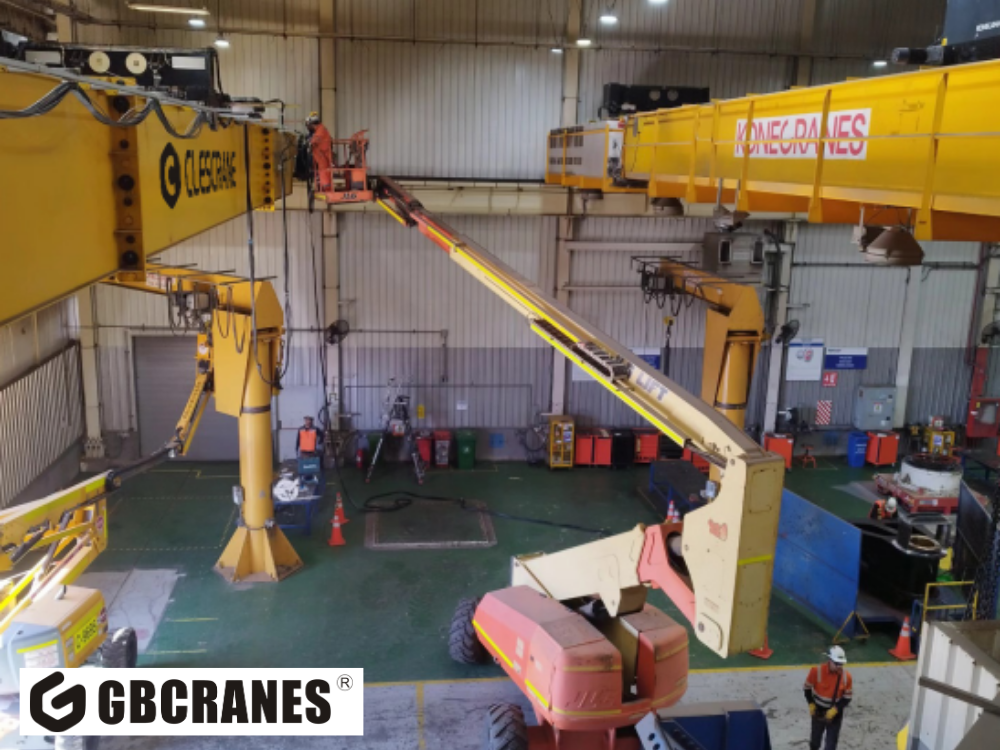
The operating environment also influences crane selection.
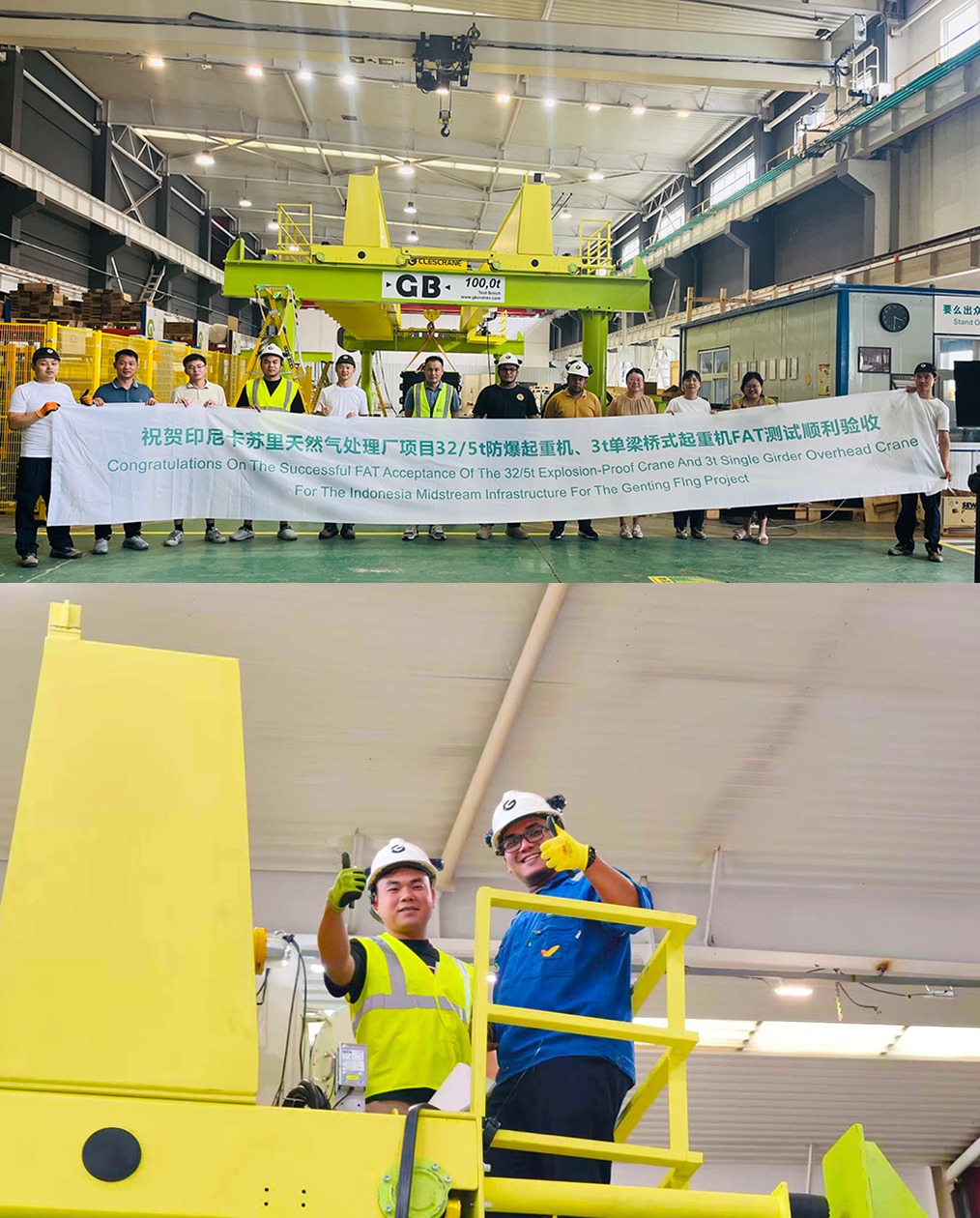
For example, standard manufacturing workshops may use conventional overhead cranes, while facilities handling flammable gases or combustible dust require specially designed explosion-proof lifting equipment.
GBCRANES provides EX-CHS single girder, EX-CHD double girder, and EX-CHU suspension crane solutions for relevant hazardous-area applications.
Other factors, such as temperature, humidity, dust, and corrosive conditions, should also be considered during the design process.
Choosing the right overhead crane requires more than simply selecting a lifting capacity. Load requirements, crane configuration, workshop dimensions, duty class, and operating environment all play important roles in the final decision.
Whether you need a single girder overhead crane for general manufacturing or a double girder overhead crane for heavy industrial applications, GBCRANES can provide solutions based on your specific project requirements.
Looking for the right overhead crane for your manufacturing plant?
Contact GBCRANES today. Share your lifting capacity, workshop dimensions, and application requirements with our team to explore a suitable overhead crane solution for your facility.


